Tag Cloud
AI (3) AI Agent (1) AI Assistant (1) Beneficial Ownership (3) Bot (1) Business Entity Selection (1) ChatGPT (1) Claude (1) Commercial Transactions (2) Compliance (1) Confidential Information (1) Confidentiality (1) Confidentiality Agreement (1) Congress (1) Content Ownership (1) Contract Negotiation (3) Contracts (2) Copyright (1) Corporate Transparency Act (CTA) (3) Data Privacy Law (3) Employment Law (1) EU Data Act (1) Exclusions (1) Federal Trade Commission (FTC) (1) Financial Reporting (3) FINCEN (3) Formation (1) Gemini (1) Independent Development (1) Intellectual Property (1) Limited Liability Company (1) LLC (1) Marking Requirements (1) MSA (1) Multi-State Compliance (1) NDA (3) Non-Compete (1) S-Corp (1) S-corporation (1) SaaS (3) SOW (1) Tax Classification (1) Trade Secrets (3) US-EU Compliance (1) US Law (1)
Categories
AI (3) Business Contracts (3) Business Formation (1) Compliance (5) Corporate Governance (1) Data Privacy (4) Employment Law (1) EU Law (1) Federal (4) Intellectual Property (1) SaaS Agreements (4) State (1)
-
NDA Essentials, Part 3: The Four Exclusions, and Whose Job It Is to Prove Them

Two years from now, a competitor ships something that looks a lot like what you shared with them in a conference room, under an NDA that expired a year ago. Nobody is going to fight about whether the NDA existed.…
-
Who Owns AI-Generated Content? Where U.S. Copyright Law Stands in 2026
Your marketing team produced a quarter’s worth of blog images in an afternoon. Your engineers shipped a feature with an AI coding assistant. Someone rewrote the landing page copy over lunch. Nobody stopped to ask whether you own any of…
-
NDA Essentials, Part 2: What Counts as Confidential (and the Step Everyone Skips)

You said it out loud in a conference room, not in an email. Nobody stamped a document, nobody sent a follow-up memo, and eight months later the relationship went sideways. If your NDA requires written confirmation of anything disclosed orally,…
-
NDA Essentials, Part 1: The Provisions That Actually Get Negotiated

The non-disclosure agreement (“NDA”) is the contract most companies sign fastest and read least. It shows up early, it is short, someone calls it standard, and it gets signed so the real negotiation can start. Then, unless you have overriding…
-
The CTA Saga Ends (For Now): FinCEN Formally Exempts U.S. Companies from Beneficial Ownership Reporting

I’ve written about the Corporate Transparency Act’s (“CTA”) on-again, off-again beneficial ownership reporting requirement twice before on this blog, first chronicling the injunction whiplash of early 2025, then the requirement’s brief return that spring. On August 11, 2026, the U.S.…
-
MSA, SOW, or Both? Structuring SaaS Commercial Contracts Correctly
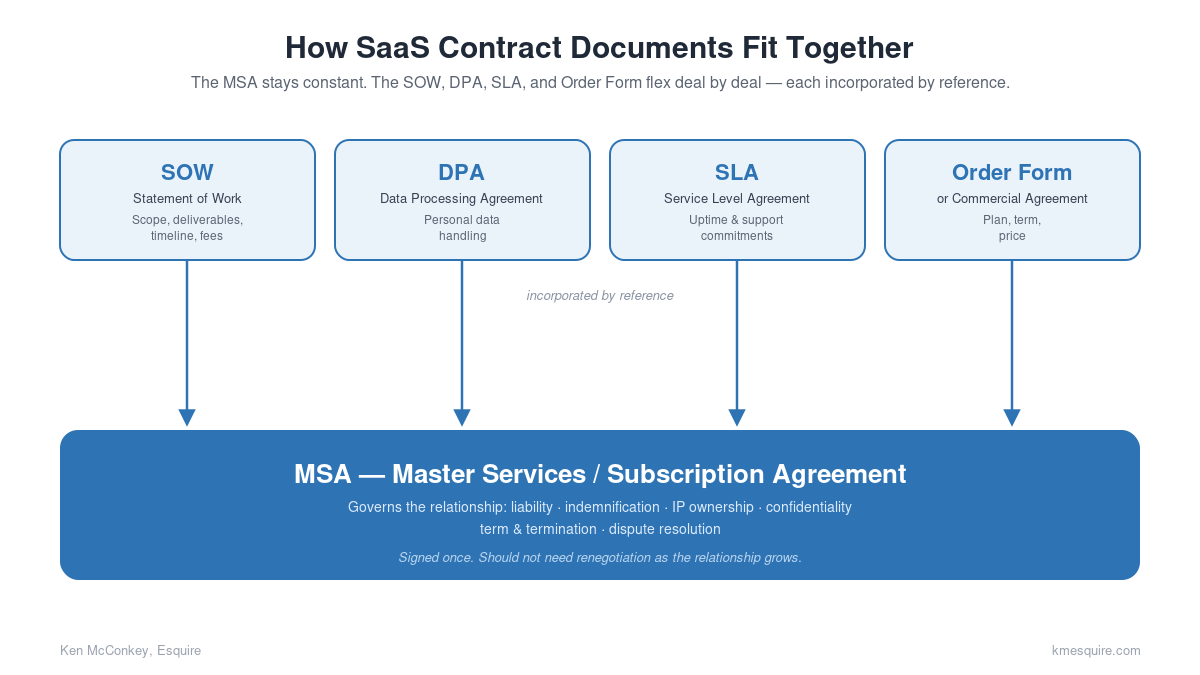
Most SaaS companies eventually end up with some combination of a Master Services or Subscription Agreement (“MSA”) and a Statement of Work (“SOW”), often without ever deciding on purpose which document is supposed to do what. That usually happens by…
-
AI vs. Bots vs. Assistants vs. Agents: What Business Owners Should Know

“AI,” “bot,” “assistant,” and “agent” get used interchangeably in most business conversations, and that’s costing companies real clarity when they decide what to actually deploy. Here’s the plain-language version: AI is the underlying technology, the algorithms and data that let…
-
LLC vs. S-Corp: What New Founders Get Wrong

Almost every new business owner asks the same question early on: should I form a limited liability company (“LLC”) or an S-corporation (also called an “S-Corp”)? The honest answer is that the question itself is usually based on a misunderstanding.…
-
Paying for ChatGPT or Claude Doesn’t Make Your Business Data Confidential

A growing number of business owners run day-to-day work, drafting emails, summarizing contracts, brainstorming strategy, through a paid AI subscription, and assume that because they’re paying, their conversations are private. That assumption is often wrong. Consumer-paid plans like ChatGPT Plus…
-
Data Privacy Compliance for SaaS Companies Selling Across State Lines
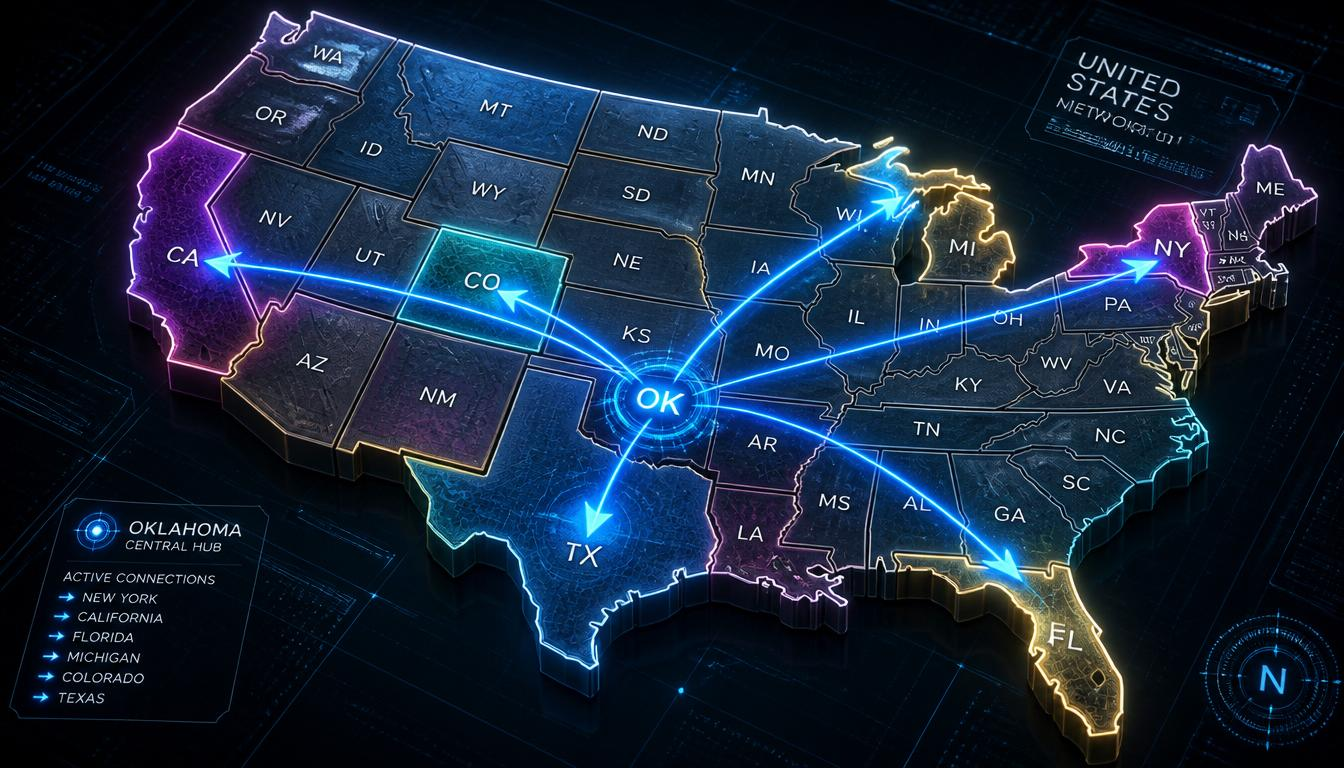
If your SaaS company sells to customers in more than one state, and most do by design, you are likely already subject to more than one state’s privacy law, whether or not your company is headquartered in that state. What…